

Built on
- Veteran-owned and -operated
- 15+ years of crew experience
- BBB accredited licensed & insured
- Free estimates in person or by phone
The short answer
What does it take to screen in a deck?
It depends on one thing: whether the deck already has a roof. A covered deck only needs vertical framing between the posts you have, screen tensioned into it, and a door that seals — that's the quick version of this job.
An open deck has to be roofed first, because a screen enclosure with nothing over it stops almost nothing. That makes it a cover deck build with screening added, and it's worth knowing which project you're actually pricing.
- Covered deckVertical framing, tensioned screen, sealing door
- Open deckNeeds a roof structure first, then screening
- Mesh optionsStandard fiberglass, pet-resistant, or solar
- Plan aheadFan and light wiring is far easier before we frame
Months of outdoor time you don't currently get
Mosquitoes, wasps and biting flies make outdoor spaces unusable during peak seasons, when you'd most want to use them. Screening systems installed on covered or open decks create a barrier that allows airflow while blocking insects, pollen and leaves from entering the space. You gain months of additional outdoor living time without chemical repellents or constant swatting.
We install screening systems that involve frame construction around deck perimeters, screen material tensioned and secured to prevent sagging, and door assemblies that seal completely when closed. The system either integrates with an existing cover structure or includes its own roof framing to create a fully enclosed outdoor room. Screen mesh grade determines what size particles are blocked and how much light reduction occurs.
One porch, four stages
How screening changes your outdoor space
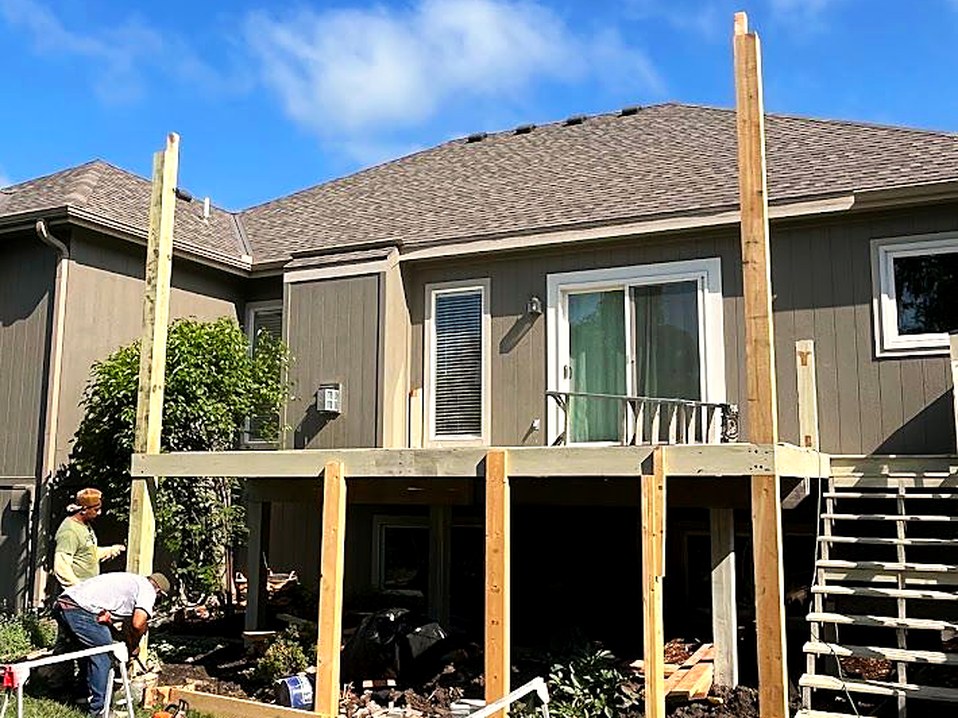
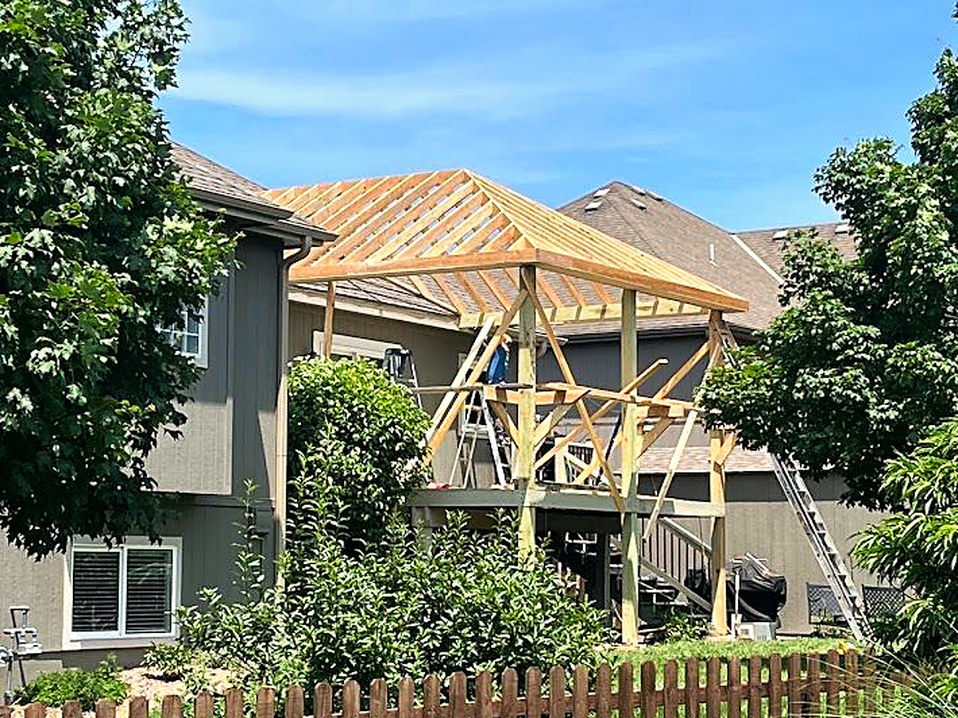
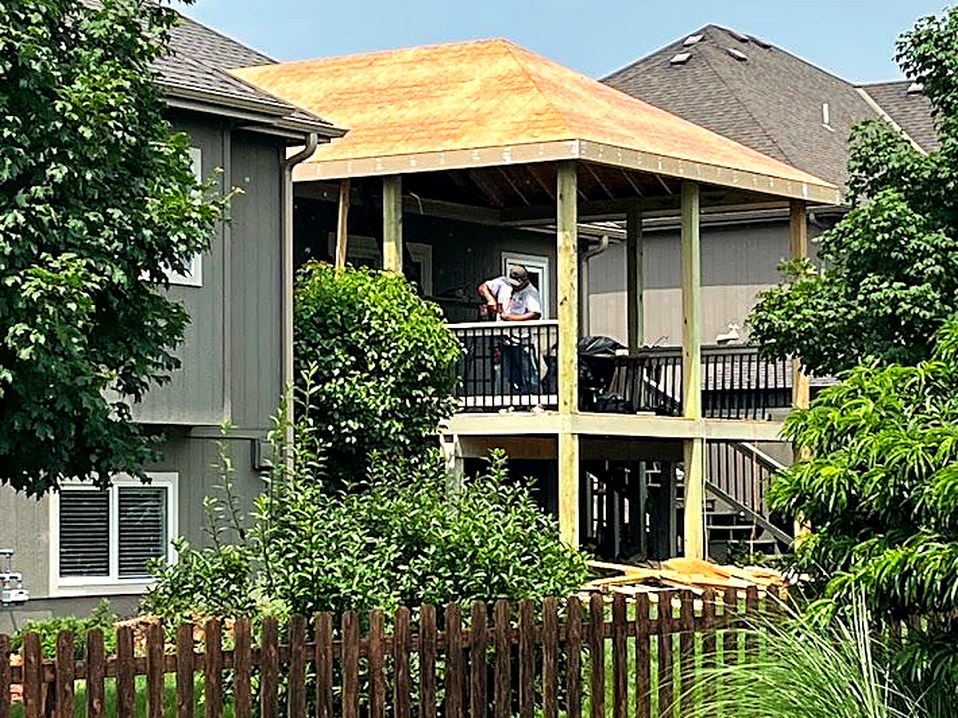
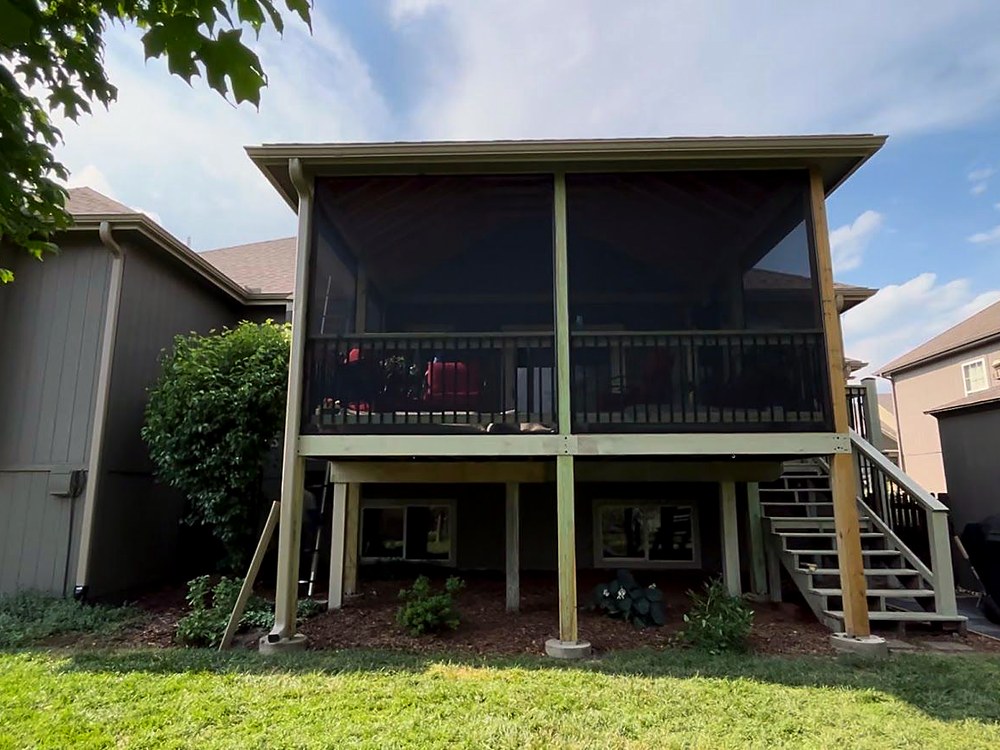
These four photographs are the same screened porch, from posts in the ground to the day we handed it back.
- 1
Posts and structure
Vertical posts at corners and at intervals along the open sides, plumb and securely anchored. Even slight movement creates gaps where insects get in.
- 2
Roof framing
An open deck needs a roof before it can be screened. A covered deck only needs vertical framing between the posts you already have.
- 3
Rails and tension
Horizontal rails top and bottom hold the screen under tension. Screen is splined into grooves or stapled and trimmed, then covered with trim that protects the edges from tearing.
- 4
Door and seal
A door frame with spring-loaded or magnetic closures, set so it seals every time it swings shut.


What you notice
afterwards
After screening is complete, you'll notice the absence of flying insects even during dawn and dusk when mosquito activity peaks. Outdoor meals no longer attract wasps, ceiling fans operate without blowing napkins and lightweight items off tables, and pollen counts inside the screened area drop substantially compared to open air.
The space stays cooler than unscreened areas in direct sun because of shade from the screen material itself, typically by several degrees, while maintaining cross-ventilation.
- Standard fiberglass mesh — economical, handles most insects
- Pet-resistant screening — withstands clawing and pushing
- Solar screening — reduces heat gain and glare, darkens the space
- Removable panels for winter, if you have somewhere to store them
Choosing mesh
Which screen material to ask for
Mesh is the one decision on a screened porch that you'll notice every single day, and it's usually made in ten seconds at the end of a long conversation about framing. It's worth more than ten seconds.
| Mesh | What it's for | The trade-off |
|---|---|---|
| Standard fiberglass | Mosquitoes, wasps, biting flies, pollen and leaves | Blocks roughly twenty percent of incoming light and adds a slight haze to the view |
| Pet-resistant | The same, but it survives a dog leaning on it or a cat clawing it | Heavier and more visible than standard mesh; the obvious choice if an animal uses the porch |
| Solar | Insects, plus a real reduction in heat gain and glare | Darkens the space noticeably — best on a west-facing porch that bakes in the afternoon |
Darker screen colours cut visibility more from outside but are less noticeable from within the porch, which is the direction you'll actually be looking.
Common questions
What is the difference between screening an open deck versus a covered deck?
Open deck screening requires a roof structure in addition to perimeter screening, essentially building a cover deck first and then adding screens. Covered decks need only vertical framing and screens between existing posts and roof, reducing both cost and installation complexity.
How do screened decks hold up during winter?
Screen material remains in place year-round in most climates, though snow load on horizontal surfaces and ice accumulation can stress frames. Removable panel systems allow seasonal disassembly, while permanent installations should use reinforced framing in areas with heavy snowfall to prevent collapse under accumulated weight.
What maintenance does screening require?
Screens need periodic washing to remove pollen, dust, and cobwebs that accumulate on the mesh and reduce airflow. Tears or holes from accidental impacts should be patched immediately to prevent insects from entering. Door sweeps and seals require occasional adjustment as they wear to maintain a tight closure.
Can screening be added in sections over time?
Screening installation works most efficiently when completed as a single project because frame alignment and door placement depend on overall layout. Partial screening leaves gaps that insects exploit, negating much of the benefit. Phased installation is possible but requires planning door locations and frame connections in advance.
How does screening affect visibility and light?
Standard fiberglass mesh blocks approximately twenty percent of incoming light and creates a slight haze when viewing through it, similar to looking through a window screen. Darker-colored screening reduces visibility more than light gray or charcoal options but is less noticeable visually from inside the enclosed space.
Can you screen the deck I already have?
If it's already covered, yes, and that's the straightforward version of this job — the roof is the expensive part and you already own it. We frame vertically between the posts you have, tension the screen and hang a door.
If the deck is open to the sky it has to be roofed before it can be screened, because a screen enclosure with no lid is just a fence around your deck. That turns it into a cover deck project with screening added.
Does the existing deck need to be strong enough?
It needs to carry more than it does today. A roof puts real vertical load into posts and footings that were sized for people and furniture.
We assess the framing, footings and ledger connection before quoting. Most sound, code-built decks can take it; some need reinforcement, and we'd rather find that at the estimate than halfway through.
What happens to it in winter?
Screen stays put year-round in this climate and comes through winter fine. What needs thought is snow load on the roof above it and ice on horizontal surfaces, which is a structural question we handle in the framing rather than something you manage seasonally.
Removable panel systems are an option if you'd rather take the screens down and store them, though most people leave them up.
Can I add a ceiling fan or lights in there?
Yes, and a fan is the single upgrade people are gladdest they made. Cross-ventilation plus a fan is what makes a screened porch comfortable in July rather than merely insect-free.
Wiring is far easier to run while the structure is open than to retrofit afterward, so it's worth deciding before we frame rather than after.
We design screening layouts that accommodate existing deck furniture arrangements and traffic patterns while maximizing usable enclosed space. Get in touch to talk through frame positioning, door placement and material selection based on how you plan to use the screened area through the year.
Tell us what
you'd like built.
We'll come out, walk the space and give you a real number. Free, in person or over the phone, with no obligation.
- (816) 916-0397
- Kearney, MO 64060
- Mon–Fri 8:00am – 6:00pm
- Sat–Sun Closed
Military, first responder and teacher discounts on every project.
What else we build
-
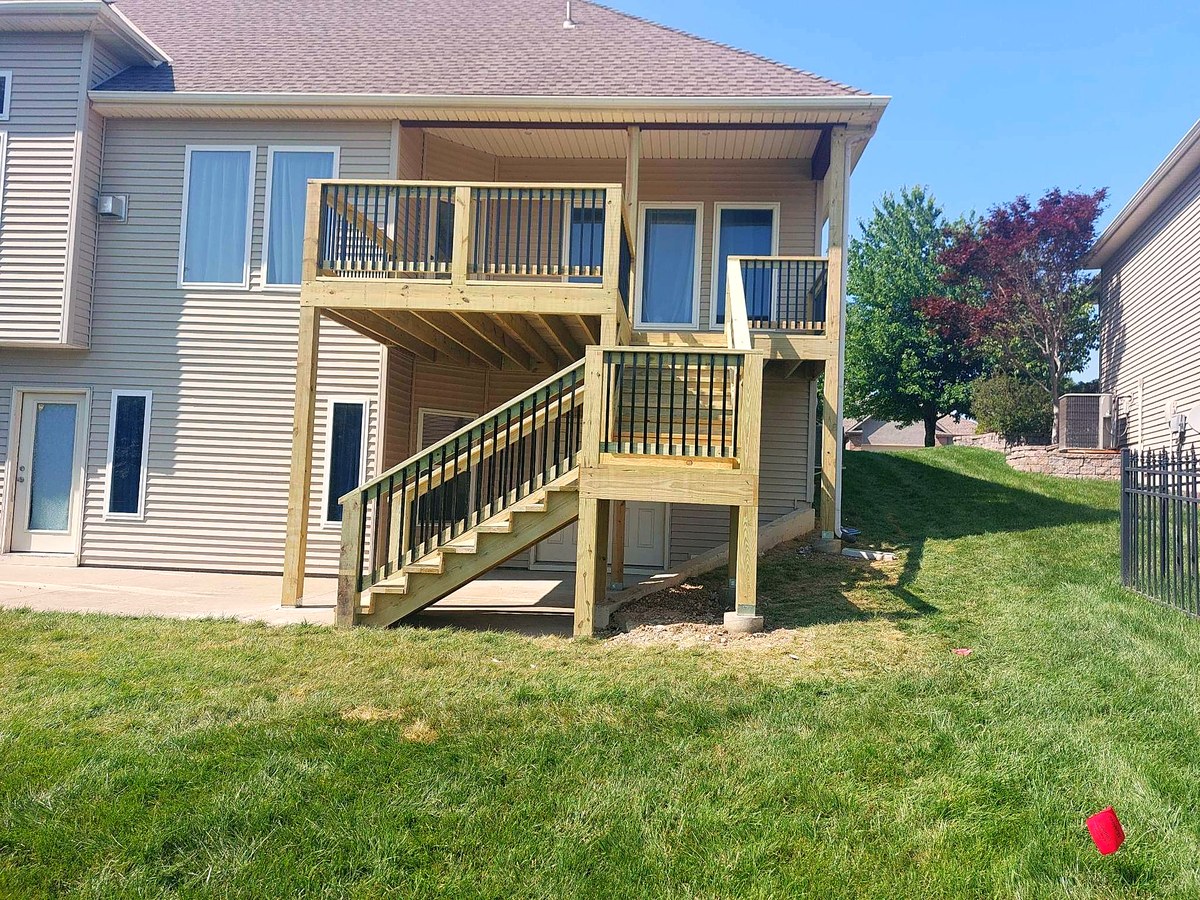
Decks
New builds, replacements, additions, stairs and railings in pressure-treated, cedar or Trex composite.
See decks -
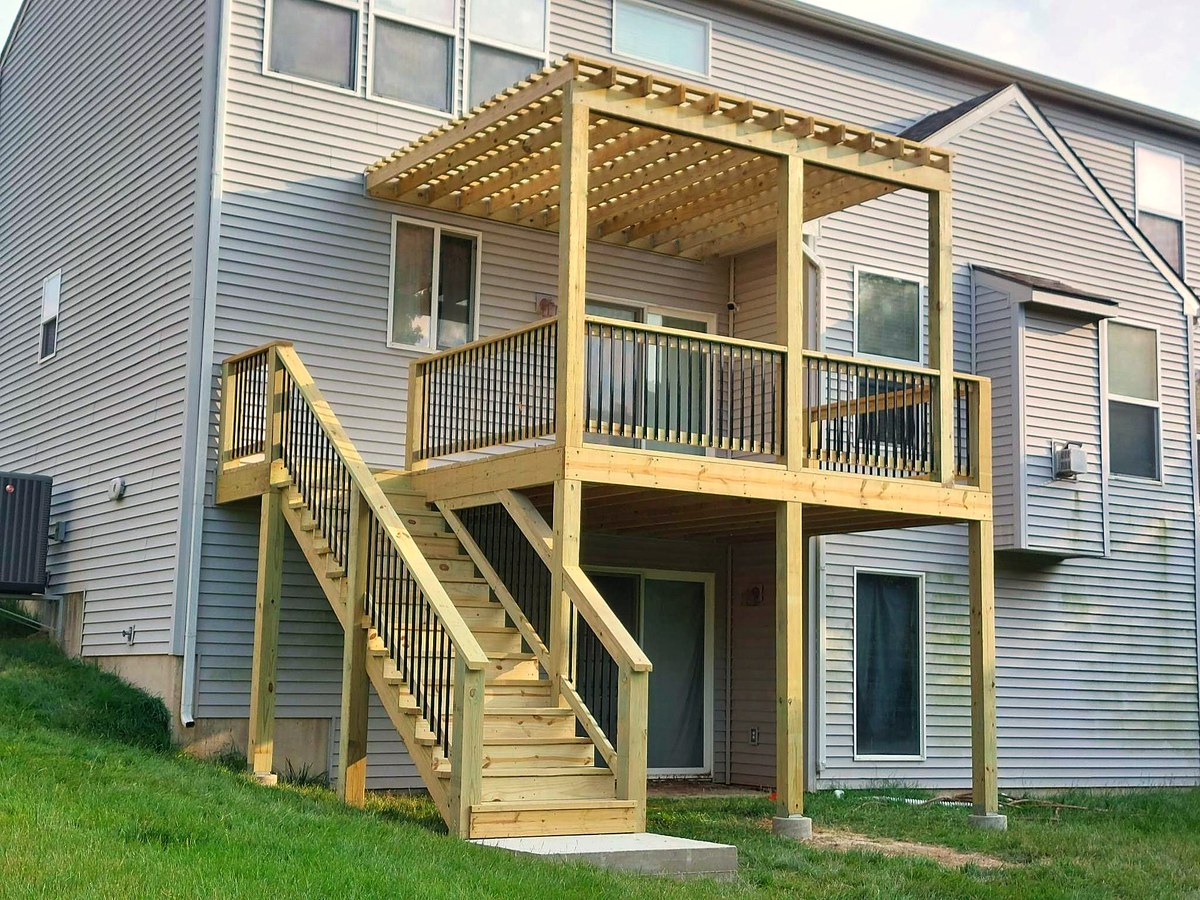
Covered decks & pergolas
Roofs and pergolas that keep the sun and the rain off your afternoon.
See cover decks -
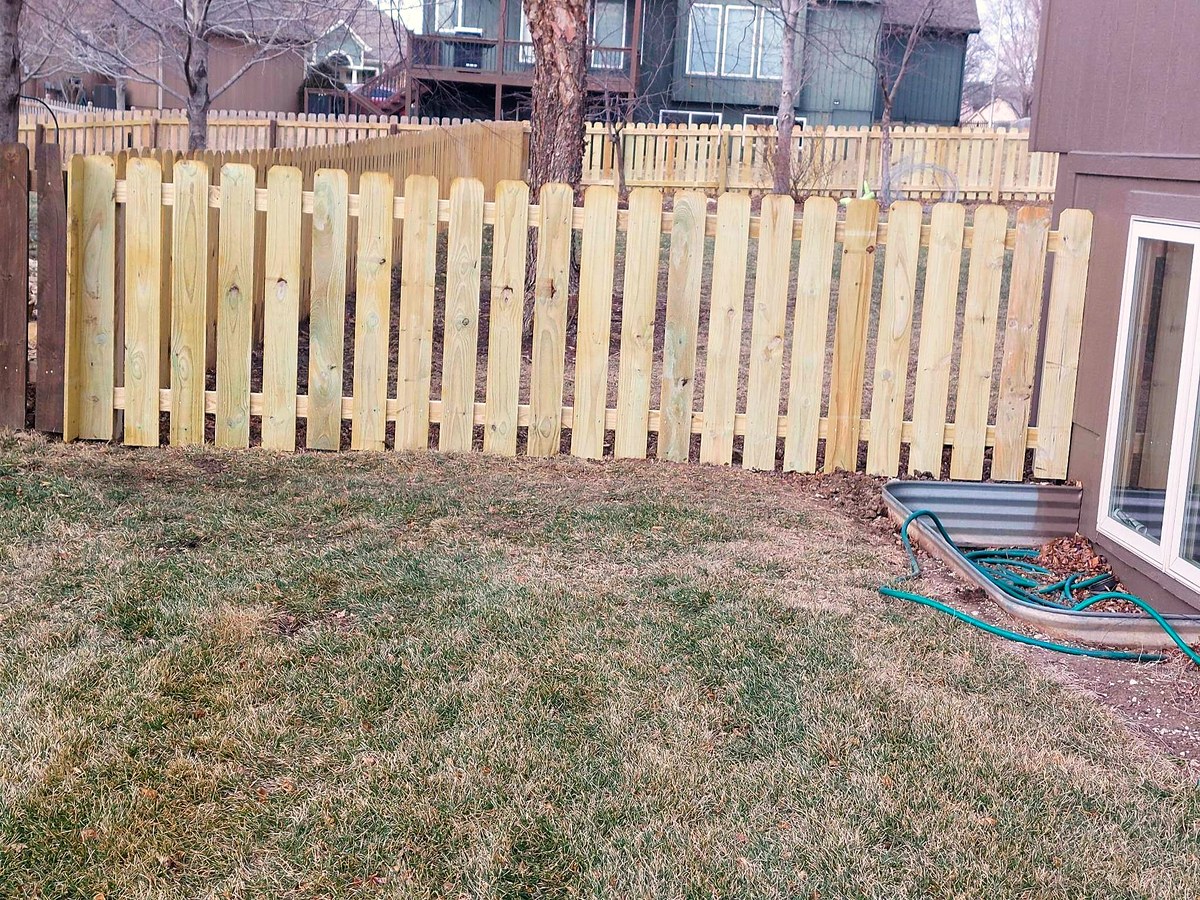
Fences & handrails
Privacy, picket and commercial fencing in wood, metal, aluminum or plastic. Handrails that meet code.
See fences and handrails -
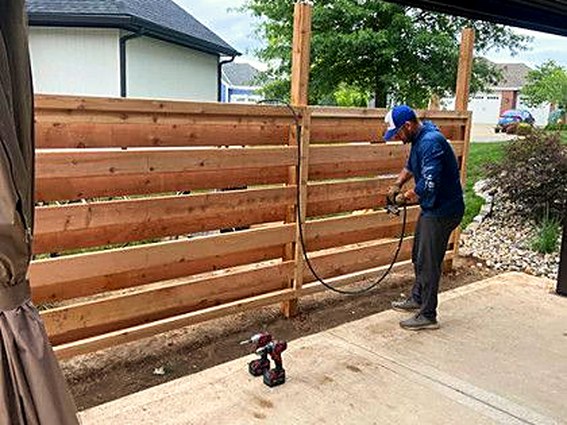
Exterior painting
Sherwin-Williams repaints and staining for siding, decks, fences and trim. We match what's already there.
See exterior painting -
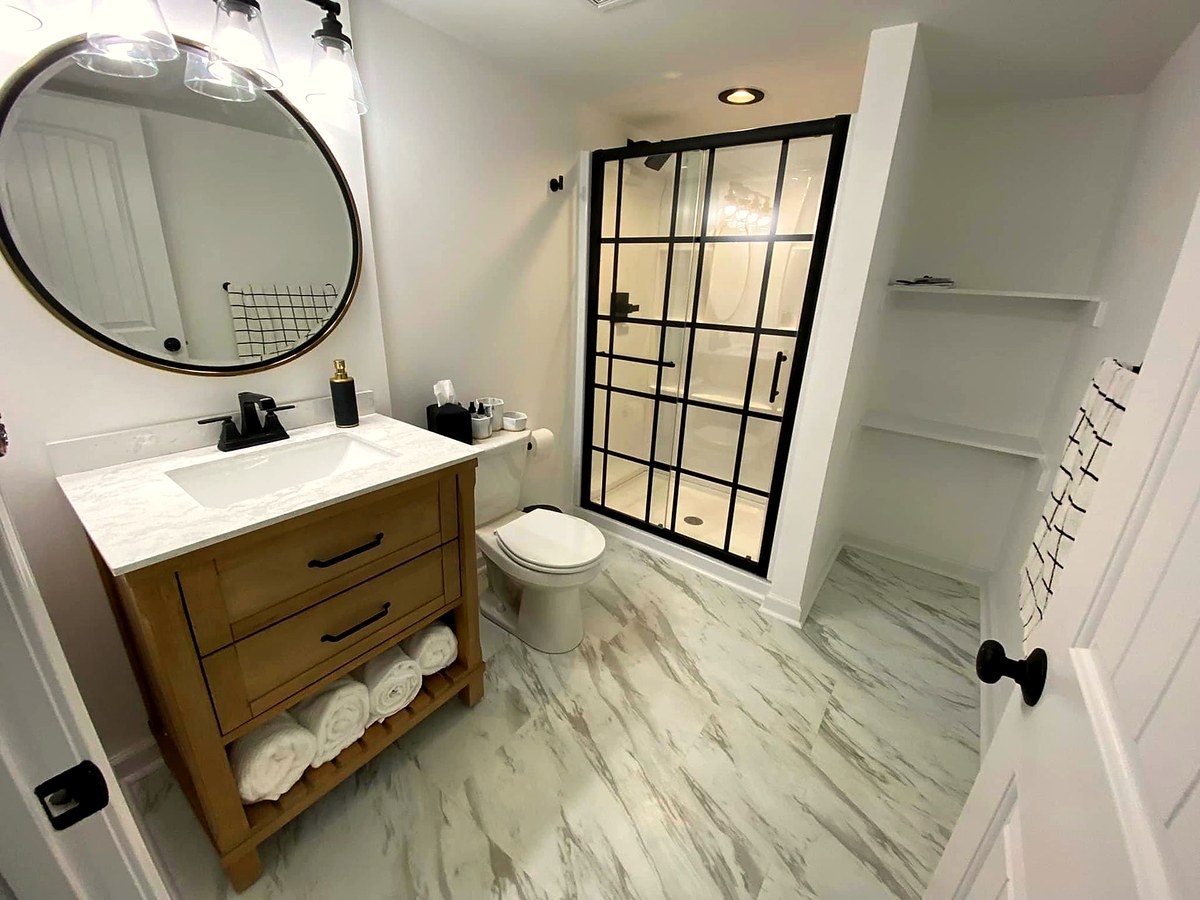
Basement finishing
Framing through finish. Bedrooms, baths and real living space downstairs.
See basement finishing -
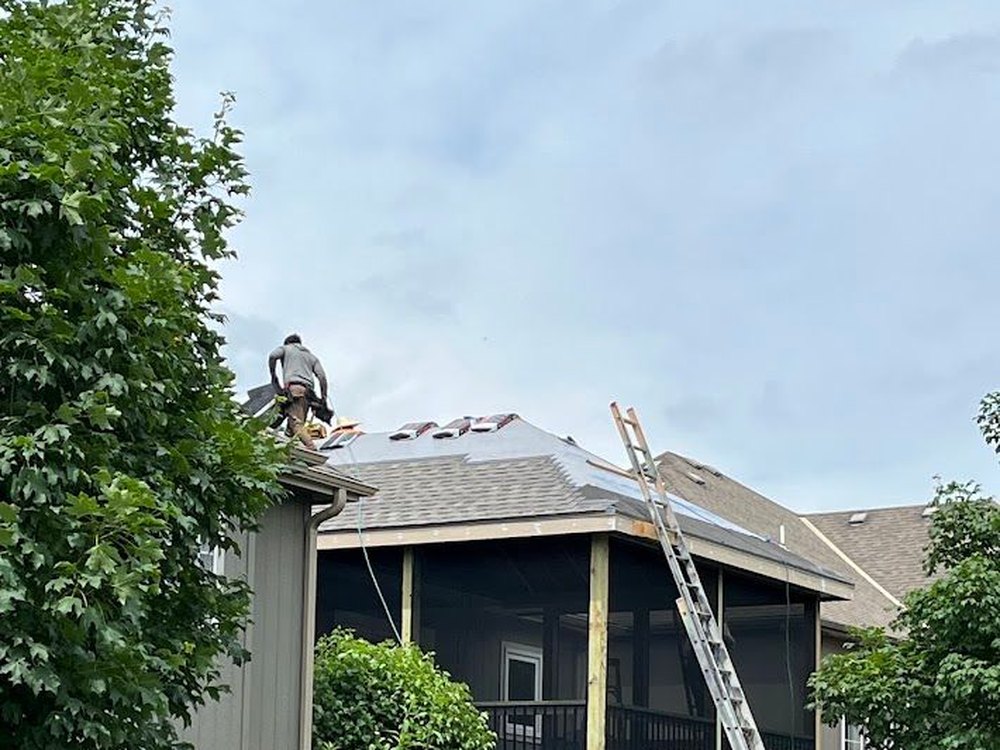
Roofing
Repairs, storm damage and full replacement — plus the roofs we build over porches and covered decks.
See roofing -
Kitchen remodeling
Cabinets, counters, lighting and layout — from a refresh in place to moving the walls.
See kitchen remodeling -
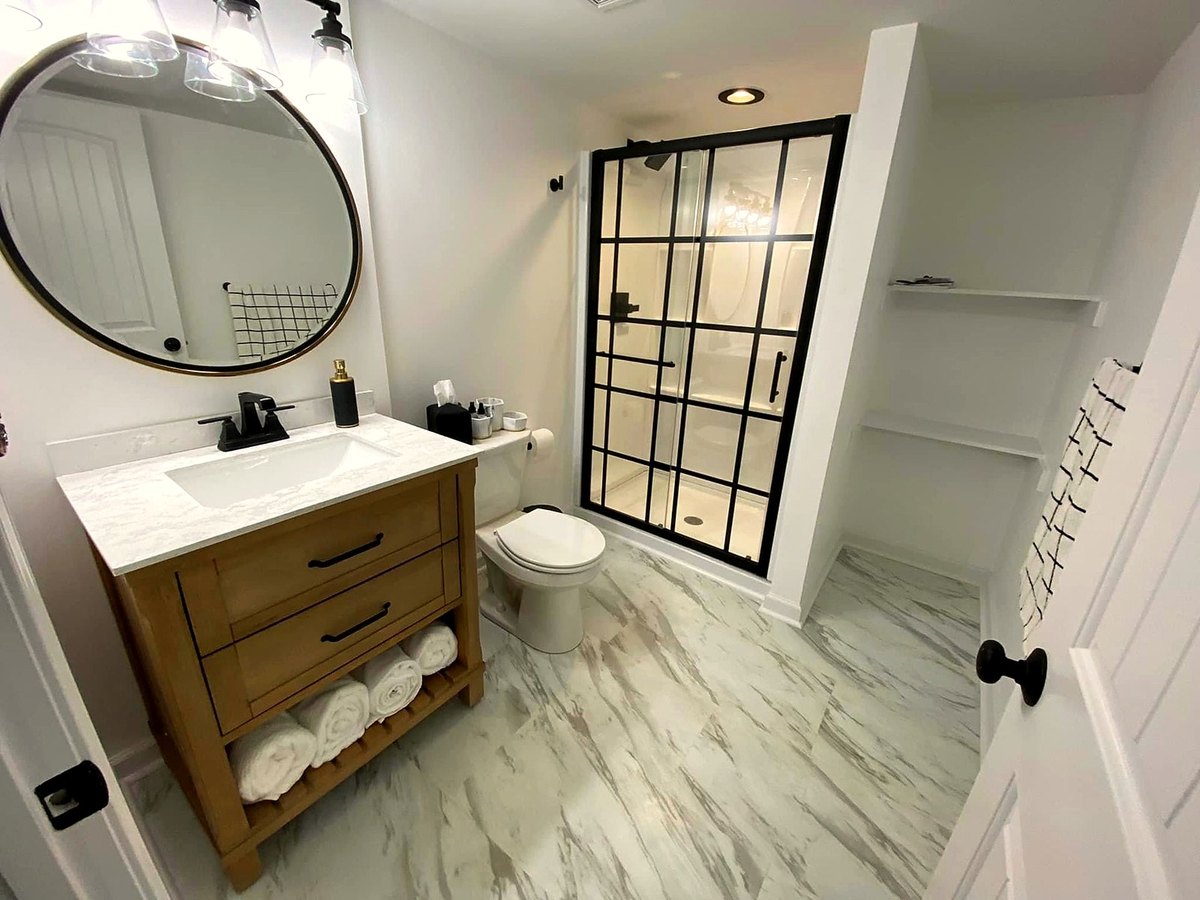
Bathroom renovation
Fixtures, tile, lighting and ventilation, on any floor of the house.
See bathroom renovation


Free estimates, in person or over the phone.